Business Portrait vs. Lifestyle Portrait: What's the Difference and What Do You Need
When companies think about corporate photos, the question usually comes up: “Do we want classic portraits or something more natural?” The answer is often: both. But to make the right decision, you need to understand what each type of portrait offers and where you’ll use it.
What Is a Business Portrait
A business portrait is a classic portrait photo. Clean background, professional lighting, focus on the face and expression. It’s the foundation of a personal brand.
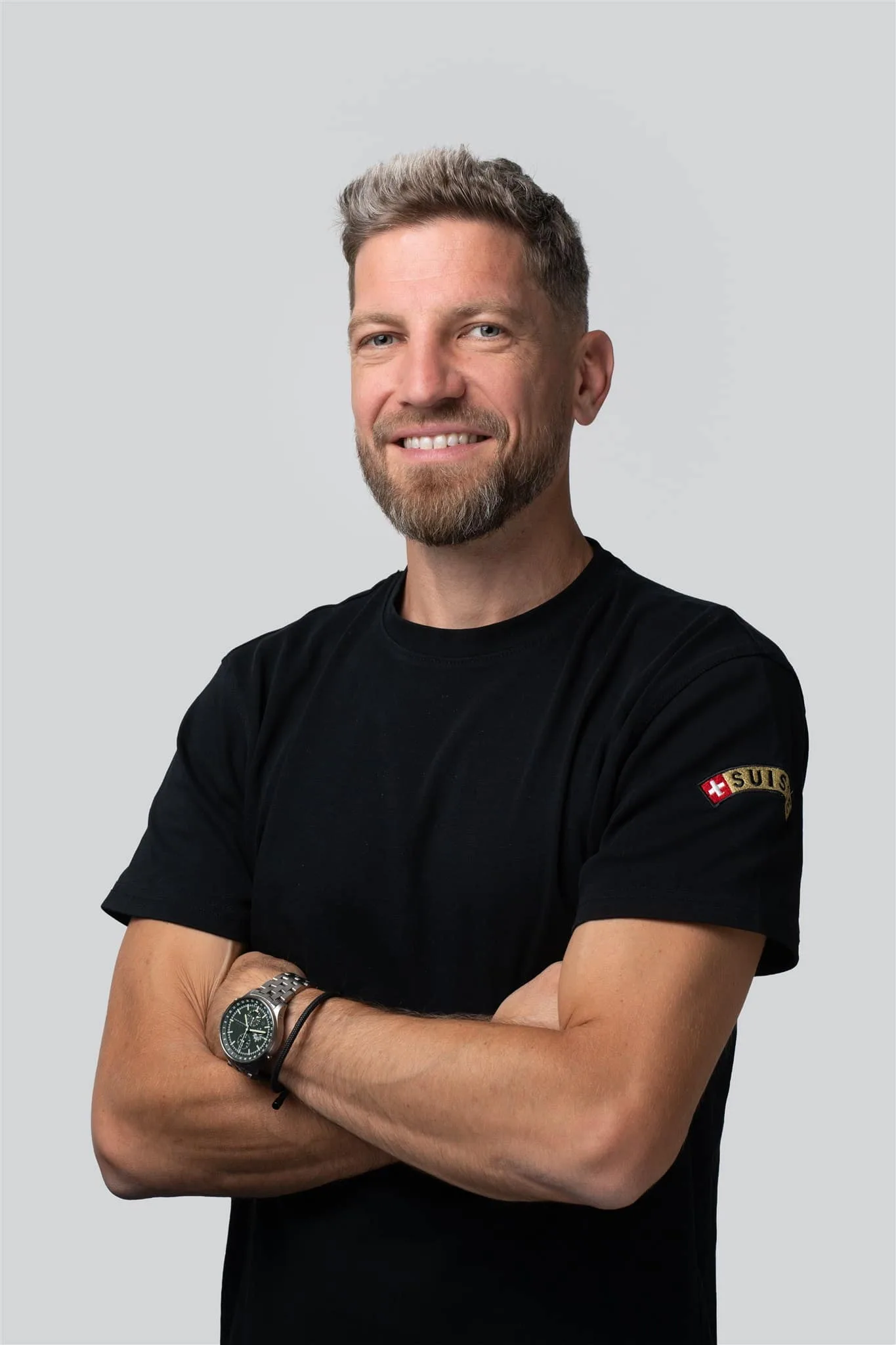
This type of photo serves primarily as a calling card. LinkedIn profile, email signature, company website, press materials. Anywhere you want people to instantly recognize you and perceive you as a professional.

When to use a business portrait:
- LinkedIn profile photo
- Company website — “Team” or “About Us” section
- Email signatures
- Press materials, magazines, conferences
- Internal systems and ID cards
It’s important that business portraits of the entire team have a consistent style. Same background, similar lighting, unified color palette. When every employee on the website has a photo from a different shoot, different setting, and different photographer, it looks chaotic.
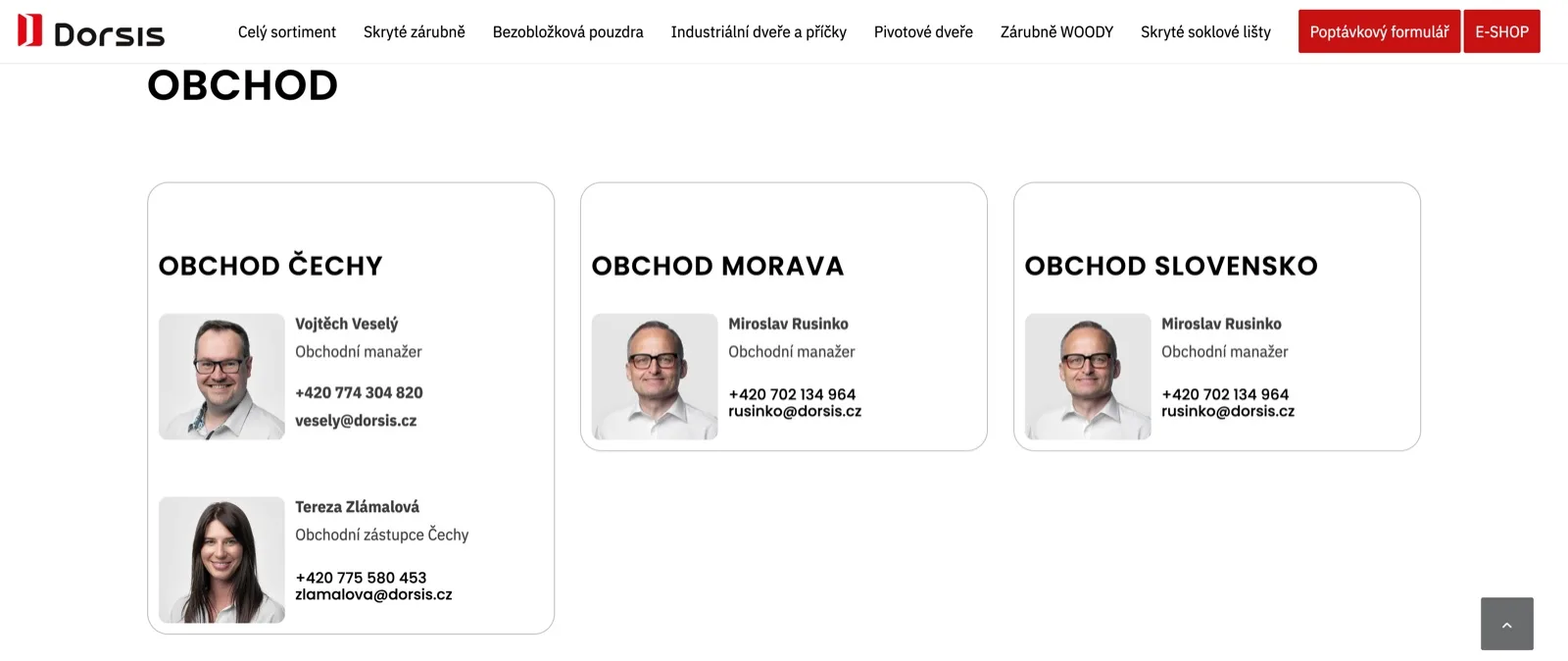
For a classic business portrait on a uniform background, plan for just a few minutes per person — that’s the realistic time needed to get a set of quality photos.
What Is a Lifestyle Portrait
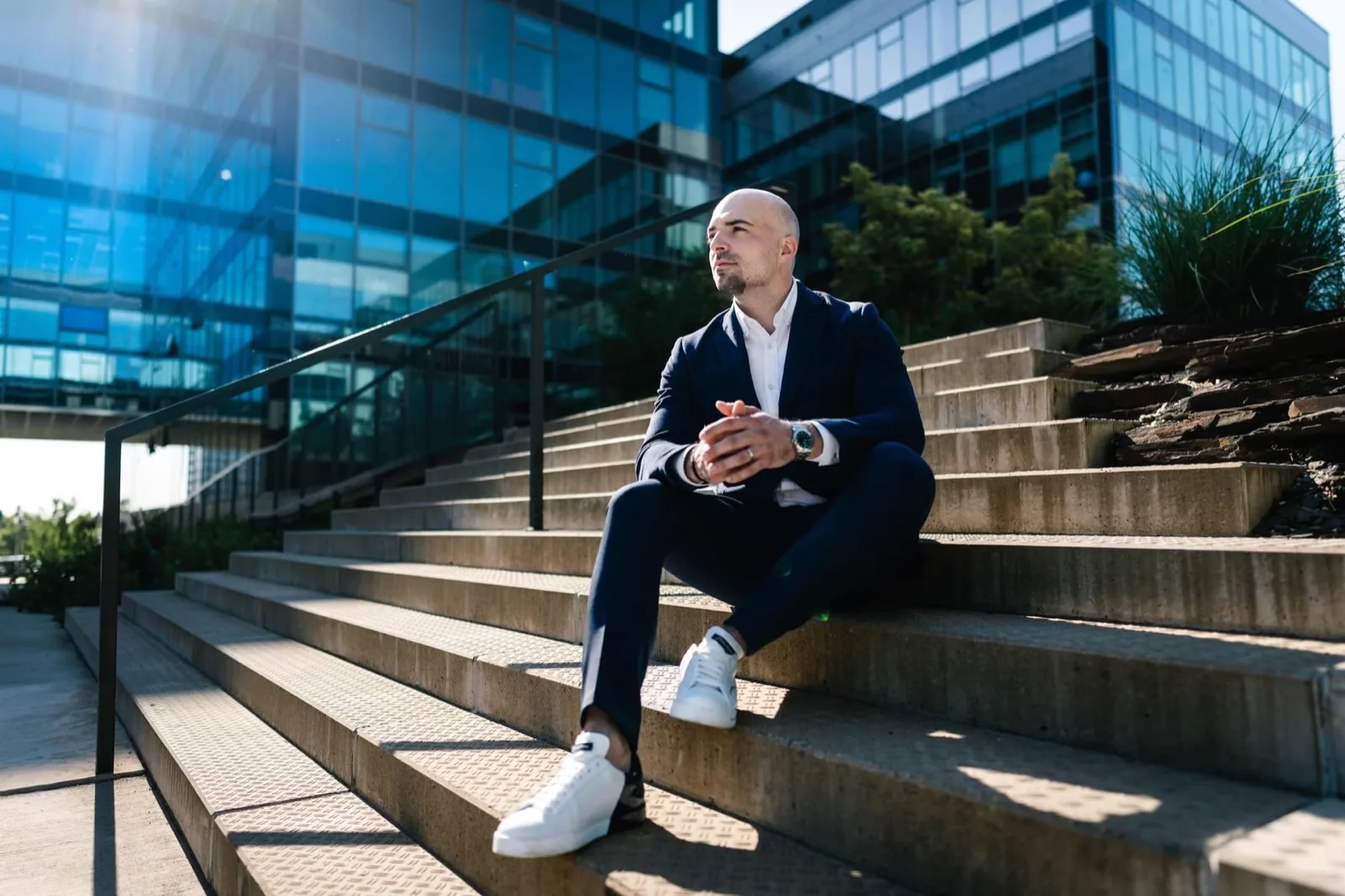
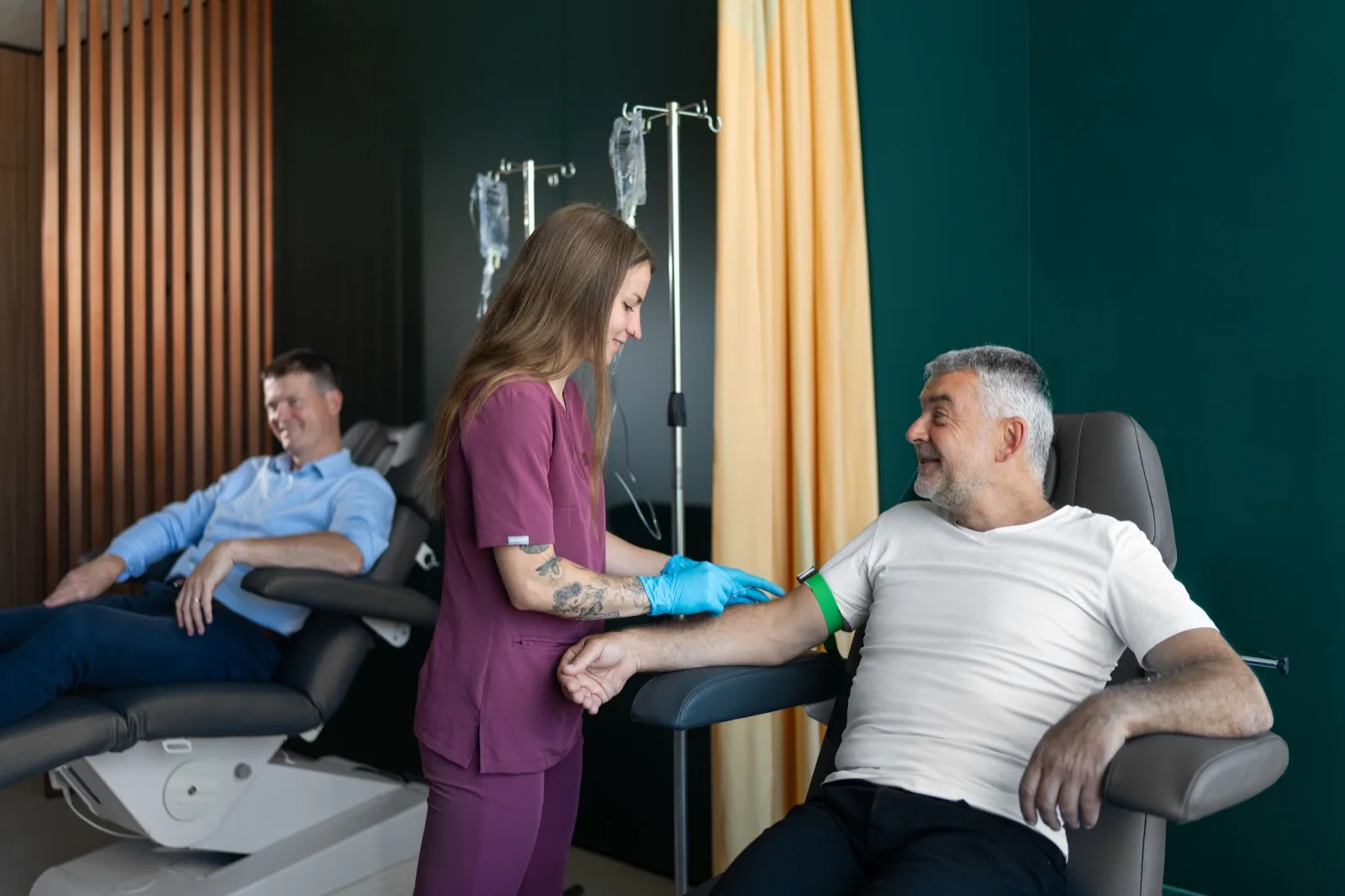
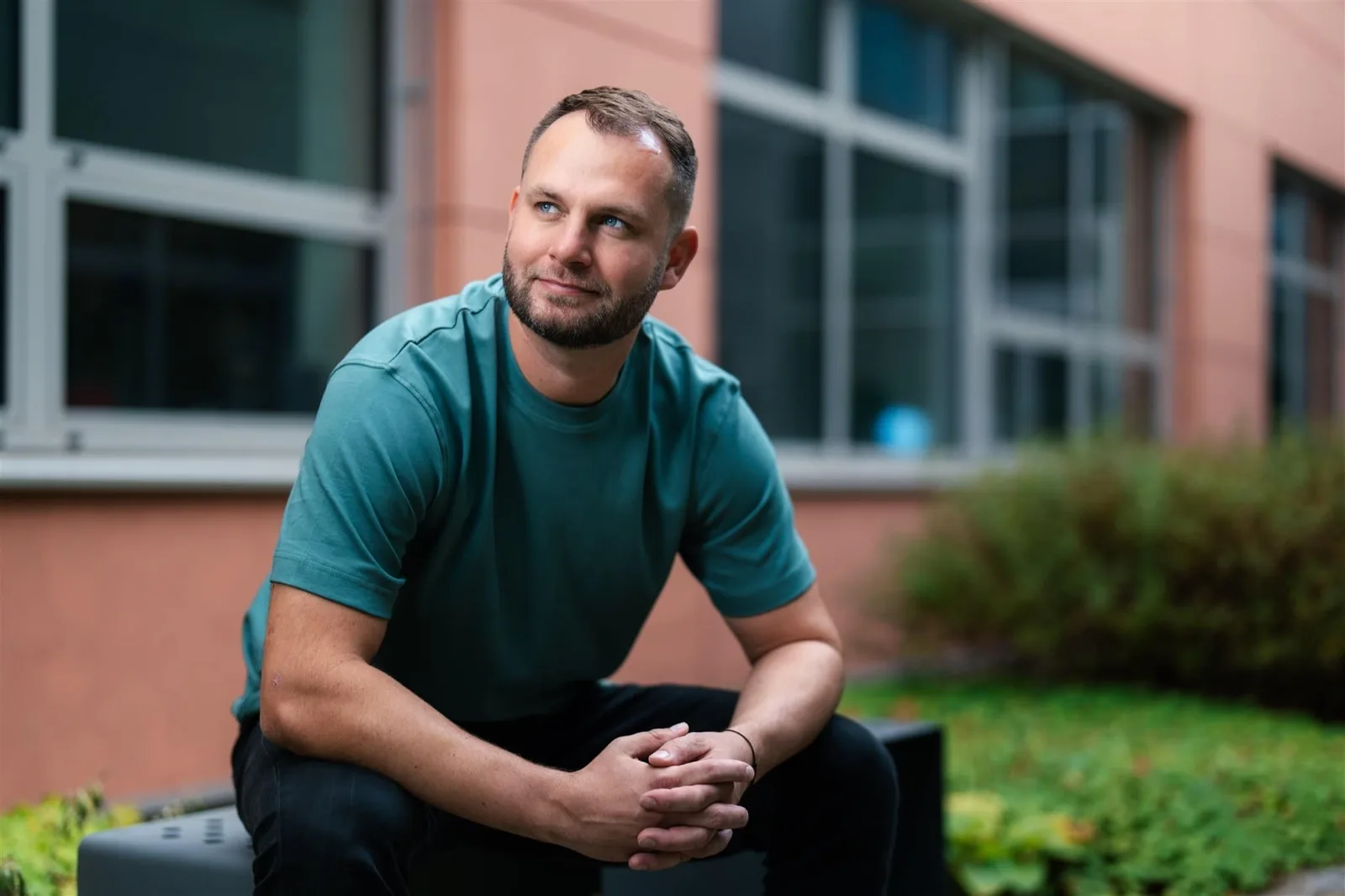
A lifestyle portrait is an entirely different approach. You shoot in a real environment — in the office, on the production floor, outdoors, in a cafe. The goal is to capture the person naturally, in the context of their work or brand.
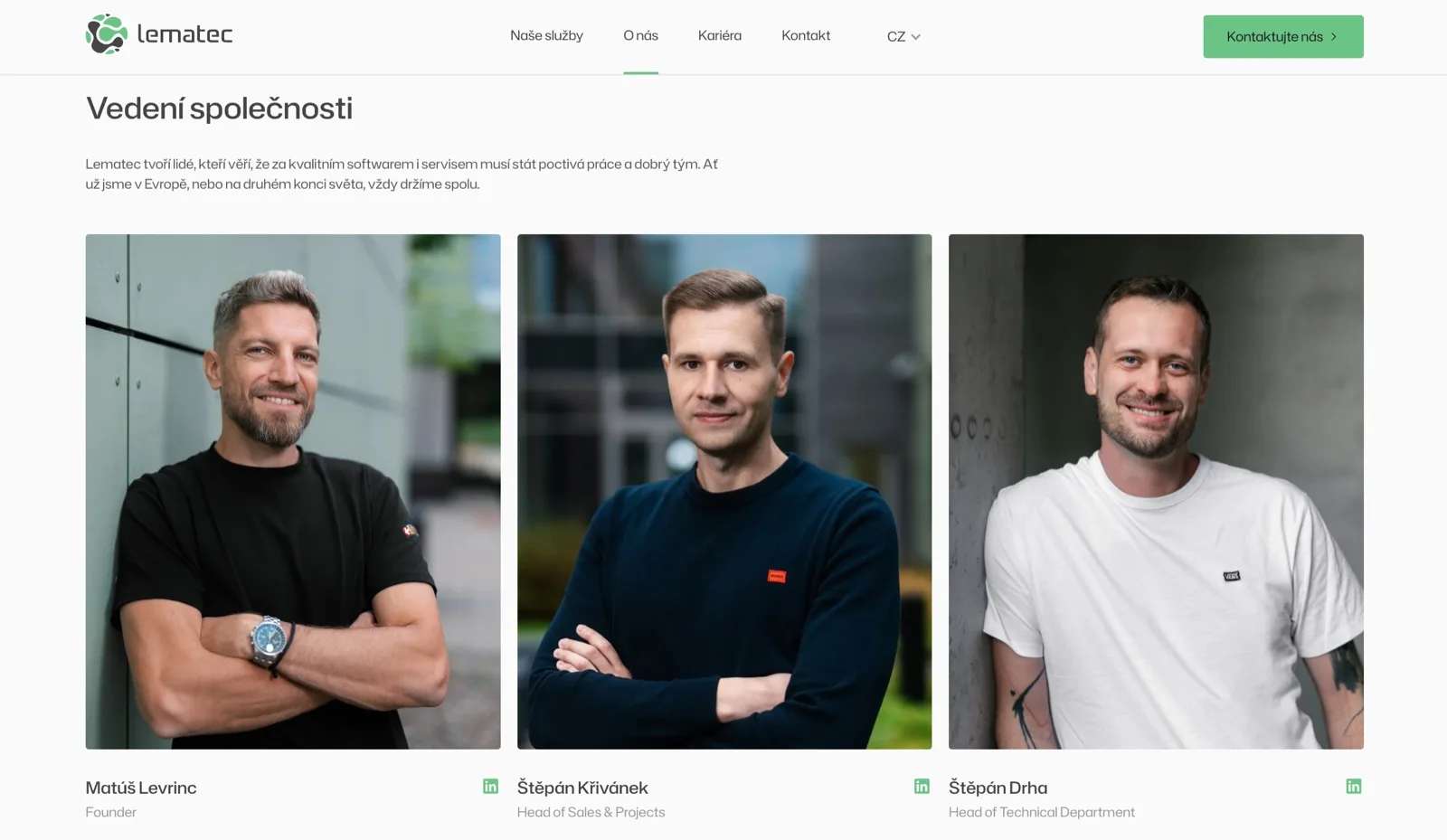
Lifestyle photos carry much more information. The viewer doesn’t just see a face but also the atmosphere, the environment, the company culture. They’re authentic and work better on social media, where people respond to stories, not business cards.
When to use a lifestyle portrait:
- Social media (Instagram, LinkedIn posts, stories)
- Website — hero sections, landing pages
- Recruitment materials and career pages
- Company blog and PR articles
- Presentations and pitch decks
For a lifestyle portrait, plan for 10 to 15 minutes per person if you want to get around 5 final photos in different situations.
Key Differences
| Business Portrait | Lifestyle Portrait | |
|---|---|---|
| Background | Clean, uniform | Real environment |
| Style | Formal, representative | Natural, authentic |
| Usage | LinkedIn, website, print | Social media, recruitment, marketing |
| Time per person | a few minutes | ~10–15 minutes |
| Story | Minimal | Strong — shows context |
| Consistency | Easy to unify | Depends on the environment |
What I Recommend for Companies
I usually recommend a combination of both types. Business portraits as the foundation — you always need those. Plus lifestyle photos for marketing and recruitment.
A great example is the shoot for Lematec. The company’s managing director needed both classic business portraits for the website and LinkedIn, and more natural shots for corporate communication. The result? Photos that work everywhere.
As he put it himself: “I absolutely recommend Marek. He’s a true professional who is very accommodating and flexible. The result was truly worth it.”
Both types can easily be done in a single day. For larger teams, I plan the shoot so each person spends minimal time in front of the camera. The company isn’t just paying for the photography — they’re mainly paying for their people’s time. I respect that.
I describe how the entire collaboration process works step by step in my brand photography guide. And if you’re specifically looking at portraits for company leadership, check out the article on CEO and top management photography.
If you’re unsure what’s best for your company — get in touch and we’ll figure it out together.